Important updates to WageFiling
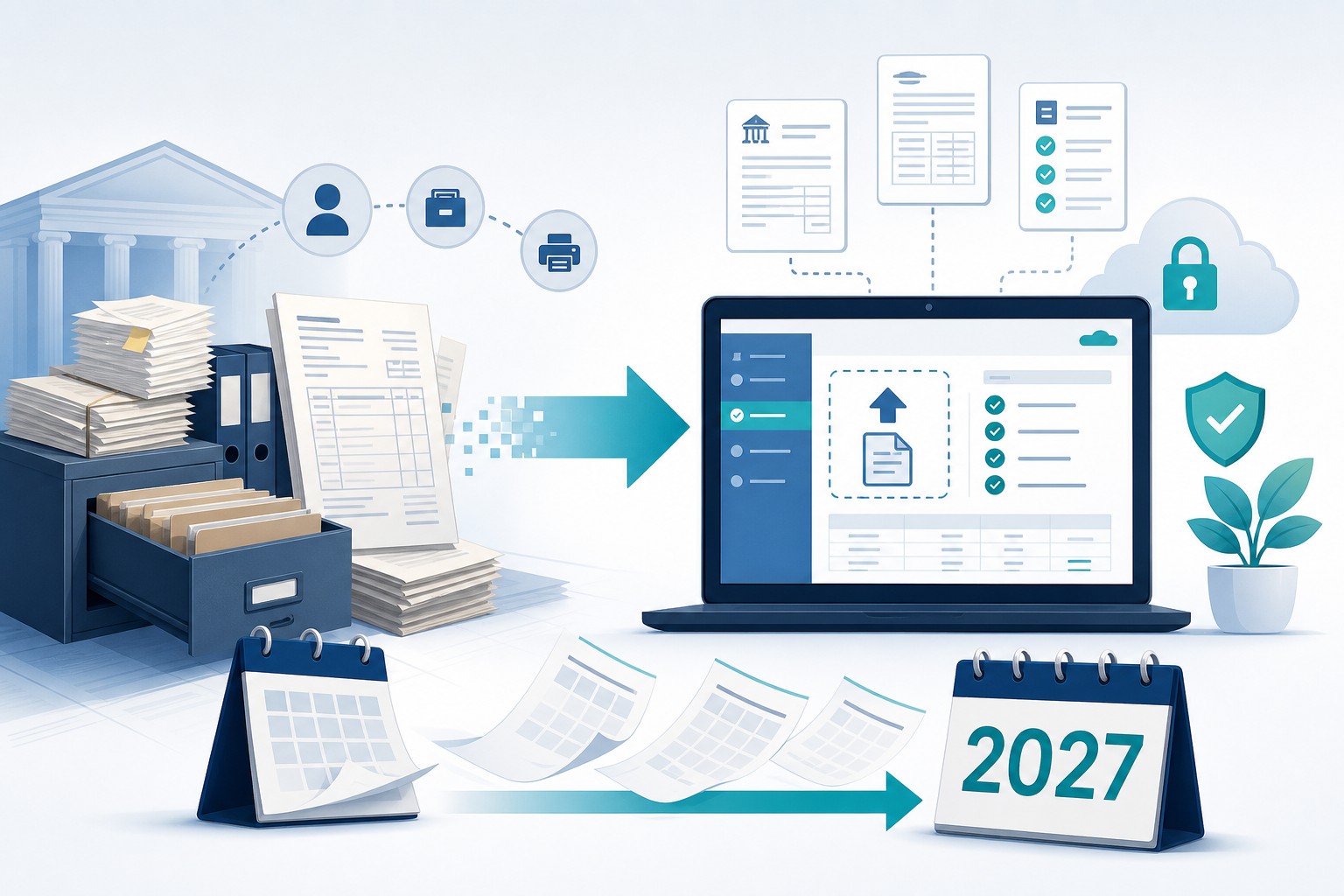
New Data Entry Format & Data Storage Limits The IRS is changing the processing platform for electronic filing (eFiling). The new platform is called IRIS instead

New Data Entry Format & Data Storage Limits The IRS is changing the processing platform for electronic filing (eFiling). The new platform is called IRIS instead

Not every 1099 mistake requires a correction form. Learn which errors the IRS requires you to fix, the difference between Type 1 and Type 2

IRS penalties for late or incorrect 1099 filings range from $60 to $680 per form in 2026. Learn the tiered penalty structure, small business caps,

IRS TIN matching should happen at vendor onboarding and between May and December, not during the January filing rush. Learn the best timing to verify

Learn what 1099 filing requirements mean for small businesses, including who must file, key deadlines, and how to stay compliant with IRS rules.

Missed the 1099 deadline as a property manager? Learn how to file late, reduce penalties, and stay compliant with simple steps.

Learn how to avoid IRS penalties for late or incorrect 1099 filings with simple steps to stay compliant and reduce errors.

Learn how to correct 1099 errors after filing, avoid IRS penalties, and ensure accurate reporting with step-by-step guidance.

TIN matching helps businesses verify contractor information before filing 1099s, reducing IRS notices, penalties, and costly corrections.

Does the IRS match every 1099 form? Learn how IRS matching works, what triggers discrepancies, and how to avoid penalties with accurate reporting.

The IRS Automated Underreporter Program compares tax returns with W-2 and 1099 forms to detect unreported income and issue notices like CP2000.
WAGE FILING © 2025 | All Rights
Reserved
w2 printing and electronic filing services, best 1099 e file tools for accounting software, w 9 forum, timely filing calculator, wage filing, best 1099 efiling services, best online 1099 filing
Understanding the intricacies of tax filing services is essential for both individuals and businesses. This guide aims to provide a clear overview of various tax forms, including W-2 and 1099, and the services available to assist in their completion. By leveraging expert knowledge and tools, users can navigate their tax obligations more efficiently.
Tax filing involves several components, from gathering necessary documentation to understanding filing deadlines. Services like WageFiling offer tailored support to ensure compliance with IRS regulations, making the process smoother for users. By utilizing these services, individuals can avoid common pitfalls associated with tax filing.
Staying informed about IRS regulations is crucial for anyone involved in tax filing. Recent changes can significantly affect how forms are completed and submitted, impacting both individuals and businesses. This section will highlight the latest updates from the IRS and their implications for tax filers.
For instance, the IRS's decision to lower the paper filing threshold from 250 to 10 information returns can drastically alter the filing landscape for small businesses. Understanding these changes helps users adapt their strategies and avoid penalties associated with non-compliance.
Timely tax filing is essential to avoid penalties and interest charges. This section discusses best practices that can help individuals and businesses file their taxes on time, including setting reminders, organizing documentation early, and utilizing professional services like WageFiling.
By implementing these best practices, tax filers can ensure that they meet deadlines and maintain compliance with IRS regulations. For example, creating a checklist of required documents and deadlines can streamline the filing process and reduce the risk of last-minute issues.
It is vital to understand the differences between various tax forms, particularly W-2 and 1099, as they serve distinct purposes in tax reporting. This section will clarify the roles of each form and when they should be used.
The W-2 form is used by employers to report wages paid to employees, while the 1099 form is typically used for reporting income earned by independent contractors. Knowing which form to use is essential for accurate reporting and compliance with tax obligations.